Why Larger Properties Often Have More Tick Problems
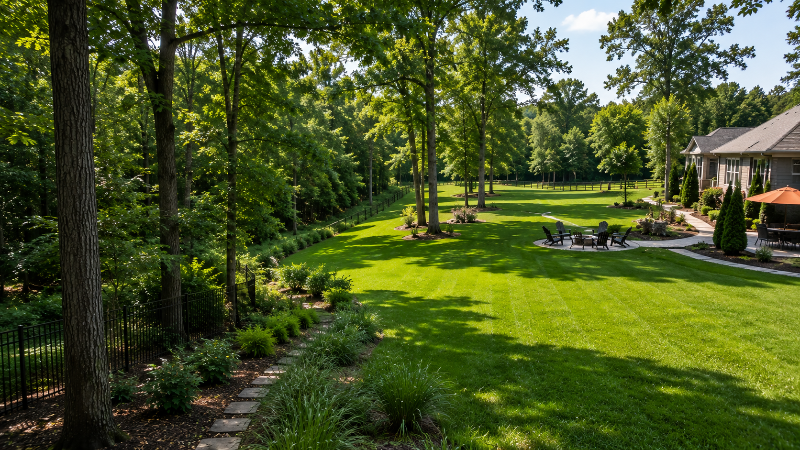
Many homeowners assume tick problems are only a concern for heavily wooded properties or rural farmland. While those environments certainly support tick populations, we often find that larger residential properties throughout West Tennessee experience significantly more tick activity than smaller suburban lots. The reason is simple: larger properties provide more habitat, more wildlife traffic, and more places for ticks to survive undetected.
At Mid-South Turf Professionals, we regularly help homeowners with estate lots, acreage properties, hobby farms, and large residential landscapes manage recurring tick problems. Understanding why larger properties tend to experience greater tick pressure can help homeowners take proactive steps to protect their families, pets, and outdoor living spaces.
Why larger properties often experience more tick activity
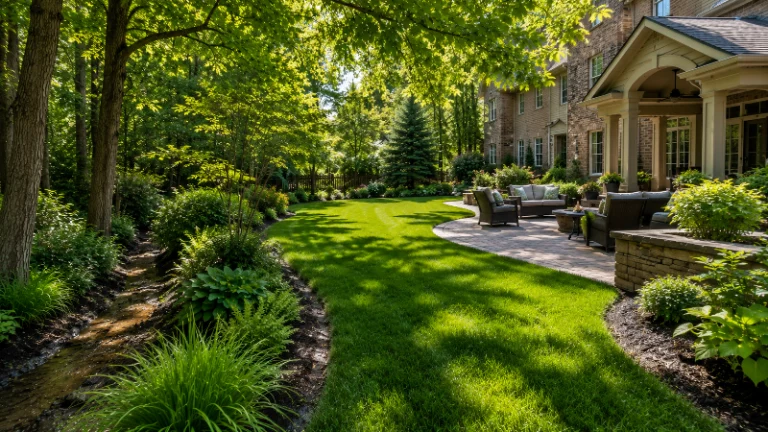
Ticks thrive in environments that provide shade, moisture, vegetation, and access to animal hosts. Larger properties naturally contain more of these favorable conditions than smaller lots, creating more opportunities for ticks to establish breeding populations.
Common factors that increase tick pressure include:
-
- Wooded property edges and tree lines
- Large areas of natural vegetation
- Wildlife travel corridors
- Shaded landscape beds and ornamental plantings
- Creeks, drainage ditches, and low-lying areas
While a small suburban property may have only a few locations that support ticks, a multi-acre property can contain dozens of potential habitat zones spread throughout the landscape.
How wildlife continually introduces ticks onto larger properties
One of the biggest reasons larger properties experience more tick problems is wildlife activity. Ticks depend on animal hosts throughout their life cycle, and larger properties often provide ideal travel routes and shelter for wildlife.
Common wildlife carriers include:
-
- White-tailed deer
- Raccoons
- Opossums
- Squirrels
- Field mice and rodents
- Stray dogs and cats
Many homeowners never actually see these animals because much of their activity occurs at night. However, every time wildlife moves across the property, there is potential for ticks to be deposited in new areas.
Wooded borders and fence lines create ideal tick habitat
One of the most common places we find ticks is where maintained lawn transitions into natural vegetation. These transition zones provide exactly what ticks need to survive: moisture, shade, and regular wildlife movement.
High-risk areas often include:
-
- Wooded property borders
- Fence rows and field edges
- Tree lines surrounding open lawn areas
- Natural vegetation buffers
Because larger properties typically have much longer property boundaries, they often contain substantially more tick habitat than smaller residential lots.
The hidden tick hotspots many homeowners overlook
Ticks rarely spend much time in the middle of a sunny lawn. Instead, they concentrate in protected areas where moisture levels remain consistent and wildlife activity is common.
Frequently overlooked tick hotspots include:
-
- Brush piles and debris areas
- Drainage swales and creek beds
- Shaded landscape beds
- Areas beneath mature trees
- Storage areas and utility corridors
- Walking trails and wooded paths
Many homeowners focus on the lawn near the home while overlooking the sections of the property where ticks are actually living and reproducing.
Professional flea and tick control solutions that work
Effective tick control requires much more than treating the lawn around the house. Larger properties often require a targeted strategy focused on the areas where ticks are most likely to live.
Professional flea and tick prevention programs may include:
-
- Targeted flea and tick treatments around high-risk areas
- Barrier applications along wooded edges and fence lines
- Property evaluations to identify habitat zones
- Seasonal prevention programs for ongoing protection
At Mid-South Turf Professionals, we focus on the areas where ticks actually live rather than simply applying products across open lawn areas that may have little tick activity.
How lawn care can help reduce tick habitat
Lawn care by itself will not eliminate ticks, but it can help reduce many of the environmental conditions that support them. Healthier, well-maintained properties are often easier to inspect and less attractive to pests.
Helpful services include:
-
- Weed control to reduce dense vegetation
- Lawn fertilization to support thicker turf
- Lawn aeration to improve lawn health
- Tree and shrub fertilization to support healthy landscapes
- Tree and shrub insect control to help protect ornamental plants
Maintaining healthy turf and reducing overgrowth can help make portions of the property less favorable for ticks while improving overall curb appeal.
Why DIY tick treatments often fail on larger properties
Many homeowners purchase a hose-end spray or granular product and treat only the areas closest to the house. Unfortunately, this often leaves most of the active tick habitat untouched.
Common DIY mistakes include:
-
- Treating only open lawn areas
- Ignoring wooded edges and fence lines
- Overlooking wildlife travel corridors
- Applying products inconsistently
- Failing to address reinfestation from wildlife
On larger properties, untreated habitat areas can quickly reintroduce ticks throughout the landscape, making DIY efforts frustrating and ineffective.
Budget planning for flea and tick prevention
The cost of professional flea and tick prevention depends on property size, landscape complexity, and the amount of habitat requiring treatment.
Factors that influence investment include:
-
- Total acreage being protected
- Amount of wooded or natural vegetation
- Length of property borders and fence lines
- Frequency of seasonal treatments
Many homeowners choose to combine flea and tick prevention with mosquito control, outdoor pest control, and a lawn pest control program for broader protection throughout the property.
Common homeowner questions
Homeowners frequently ask:
-
- Do larger properties always have more ticks? Not always, but larger properties often provide significantly more habitat and wildlife activity.
- Are wooded properties at greater risk? Yes. Wooded edges and transition zones are among the most common tick habitats.
- Can lawn care reduce tick activity? Lawn care can help reduce habitat conditions, but professional tick treatments are usually needed for meaningful control.
- Should pets receive tick prevention too? Absolutely. Pets are often the first to encounter tick populations on a property.
Case study: reducing tick activity on a multi-acre property
A homeowner in the Mid-South service area contacted Mid-South Turf Professionals after repeatedly finding ticks on family members and dogs after spending time outdoors. The property included several acres of lawn, mature trees, wooded borders, and walking trails.
During our evaluation, we identified multiple high-risk areas including shaded fence rows, tree lines, drainage corridors, and wildlife travel routes. Although the lawn around the home was well maintained, large portions of the property contained ideal tick habitat.
Following implementation of a professional flea and tick prevention program and recommendations for vegetation management, the homeowner experienced a significant reduction in tick encounters and was able to enjoy more of the property comfortably.
Long term benefits of professional flea and tick prevention
Professional flea and tick prevention provides benefits that extend beyond simply reducing pest activity.
Benefits include:
-
- Reduced tick pressure across the property
- Improved protection for pets and family members
- More comfortable use of outdoor living areas
- Better management of wildlife-related pest issues
Many homeowners also combine flea and tick prevention with ant control, termite control, and mosquito treatments for more complete outdoor pest management.
Why choose Mid-South Turf Professionals
Tick problems on larger properties require a strategic approach. Homeowners throughout Southwest Tennessee trust Mid-South Turf Professionals because:
-
- We provide professional flea and tick prevention services
- We understand local wildlife and habitat conditions
- We identify high-risk areas across larger properties
- We offer comprehensive lawn care and pest control solutions
- We provide free estimates and practical recommendations
Our goal is to help homeowners enjoy their entire property with fewer pest concerns and greater peace of mind.
Serving Southwest Tennessee communities
Mid-South Turf Professionals proudly provides lawn care and pest control services throughout Southwest Tennessee. Whether you own a suburban lot, estate property, acreage, or hobby farm, our team can help reduce tick activity and protect your outdoor spaces.
Whether you're dealing with ticks, mosquitoes, fleas, ants, termites, lawn pests, or other outdoor pest concerns, our team can recommend the right treatment plan for your property.
Schedule your flea and tick evaluation today
Protect your family, pets, and property with professional flea and tick prevention from Mid-South Turf Professionals.
If you own a larger property and are noticing increased tick activity around trails, wooded areas, fence lines, or outdoor living spaces, a professional evaluation can help identify the conditions supporting tick populations and provide an effective treatment strategy.
Contact Mid-South Turf Professionals today to request your free estimate and schedule a flea and tick evaluation. We proudly help homeowners throughout Southwest Tennessee enjoy healthier lawns and more comfortable outdoor spaces.